Prepared by Sunlight Technology Solar Private Limited for homeowners and businesses considering solar energy.
A solar proposal becomes more useful when it starts with your electricity use rather than an assumed system size. Collect recent b...
Read Guide →Planning solar before a new home is complete creates an opportunity to coordinate the roof, electrical services and equipment loca...
Read Guide →A site survey should turn a general interest in solar into information that supports a workable proposal. Preparing access and a f...
Read Guide →Two units appear throughout solar proposals: kilowatts and kilowatt-hours. Understanding their different roles makes it easier to ...
Read Guide →A roof can look sunny during one visit and still experience shade at other times. Nearby buildings, trees, parapet walls and rooft...
Read Guide →Solar equipment should be planned with the condition of the roof in mind. Installing over an area that needs repairs can complicat...
Read Guide →Limited roof space makes planning especially important. The goal is a layout that can be installed and maintained properly while r...
Read Guide →A clear project brief helps a business receive proposals that can be compared fairly. It describes what the organisation needs the...
Read Guide →An installation should consider building work that is already planned. A new room, extra floor or relocated water tank can change ...
Read Guide →Backup planning begins with deciding what needs to remain available during an outage. A focused essential-load list gives the desi...
Read Guide →A panel’s label contains more than its advertised wattage. Reading the model information helps customers understand what is bein...
Read Guide →Panel efficiency describes conversion performance, while panel wattage describes rated output. For a customer with a small roof, t...
Read Guide →Bifacial panels can use light reaching both faces, but the benefit depends on the installation. The term should prompt a discussio...
Read Guide →A product warranty and a performance warranty describe different commitments. Reading both helps customers understand the document...
Read Guide →The inverter is central to how the solar installation supplies usable electricity and, where applicable, manages batteries and bac...
Read Guide →Customers sometimes expect a grid-connected solar installation to keep supplying their home whenever sunlight is available. Whethe...
Read Guide →A hybrid inverter can form part of a system that coordinates solar, batteries and other supplies, but the word hybrid does not des...
Read Guide →An inverter location should be planned before installation day. Convenience matters, but so do manufacturer requirements, access, ...
Read Guide →Battery quotations often highlight a capacity figure without explaining how it relates to energy available to the customer. Distin...
Read Guide →A battery should be assessed as part of a complete installation. Matching a brand name or nominal voltage alone is not enough to e...
Read Guide →A home that uses most of its electricity after sunset has a different planning problem from a daytime business. Battery storage ma...
Read Guide →A battery location is part of the design, not an empty corner chosen after equipment arrives. Different battery products have diff...
Read Guide →Battery cycle-life figures can be difficult to compare without their test conditions. The number printed in a brochure does not by...
Read Guide →An existing solar installation does not automatically support a straightforward battery addition. Before buying storage, review th...
Read Guide →A home office may need a different backup arrangement from the rest of the house. Begin with the equipment needed to continue work...
Read Guide →Air conditioning can be an important part of household electricity use, but counting the number of units alone is not enough for s...
Read Guide →Water pumping should be included in a household energy assessment, especially when the pump is expected to run from a backup circu...
Read Guide →Shared areas in an apartment building can include lighting, pumps, security equipment and lifts. A solar project should begin by i...
Read Guide →A business occupying rented premises should discuss solar with the property owner before making installation commitments. The tech...
Read Guide →A home with little daytime occupancy may not use solar generation in the same way as one with continuous daytime demand. Understan...
Read Guide →An office’s working hours can provide a useful starting point for solar planning. However, occupancy, cooling, computer equipmen...
Read Guide →Shops and showrooms often combine daytime lighting, cooling and display equipment with longer evening opening hours. A useful sola...
Read Guide →A warehouse may have substantial roof area, but available area alone does not establish a suitable solar design. The building, sto...
Read Guide →Workshop equipment can place different demands on a system from lighting or computers. A planning discussion should identify the m...
Read Guide →A school’s energy profile may change between class hours, examinations, holidays and seasonal weather. A useful project brief ex...
Read Guide →A clinic should distinguish ordinary building consumption from equipment that has specialised power requirements. Solar planning c...
Read Guide →A restaurant’s electrical needs depend on preparation hours, service periods, refrigeration, cooling and the type of cooking equ...
Read Guide →A small manufacturing site needs a proposal linked to production activity. Shift patterns, machines, building services and shutdow...
Read Guide →Cold-storage planning requires an understanding of refrigeration demand and the consequences of interruptions. Solar generation sh...
Read Guide →A business operating across multiple shifts may use electricity through periods when solar generation is unavailable. The design d...
Read Guide →Panel cleaning should be planned around the site and the manufacturer’s guidance. Dust, nearby activity and access conditions di...
Read Guide →A simple maintenance record helps owners explain what changed when an installation develops a problem. It is also useful when equi...
Read Guide →Solar output changes across a day, and different days need not produce identical energy. A useful performance review compares the ...
Read Guide →A monitoring app can help an owner understand the installation, but only if the displayed figures are explained. Ask for a demonst...
Read Guide →A monitoring display that stops updating does not always mean that generation has stopped. The monitoring connection and the elect...
Read Guide →A solar project is easier to manage when handover includes more than a quick demonstration. The owner should receive information t...
Read Guide →A clear fault report helps the service team start with useful information. Owners should record what the equipment displays and wh...
Read Guide →The first month is a useful time to review whether the installation and monitoring are behaving as expected. It is an early operat...
Read Guide →Painting, roof repairs and other building work can affect an existing solar installation. Inform the solar service provider before...
Read Guide →A periodic service review is an opportunity to look at operating records, maintenance needs and changes at the property. The scope...
Read Guide →Two quotations can describe different projects even when their headline system capacity looks similar. A fair comparison starts by...
Read Guide →A proposal should help the customer understand the intended installation before work begins. Clear documents reduce uncertainty ab...
Read Guide →A solar project includes more than the days when installers are on site. Survey, design review, material availability and any rele...
Read Guide →A little preparation helps the installation team work efficiently and gives occupants a clearer understanding of what will happen....
Read Guide →Sometimes a proposed component becomes unavailable before installation. A substitution should be reviewed as a design change, not ...
Read Guide →Commissioning is the stage where the installation is checked and prepared for its intended operation. Customers do not need to per...
Read Guide →Warranty documents are easier to use when organised at the start of ownership. A folder containing the right information can save ...
Read Guide →Equipment warranties, installation workmanship and ongoing maintenance can involve different commitments. Customers benefit from u...
Read Guide →A project can change after a survey reveals new information or the customer adds a requirement. Clear change records help everyone...
Read Guide →A productive consultation should leave you with a clearer understanding of your options. Prepare questions around the property, th...
Read Guide →Bright sunlight and high air temperature are not the same measurement. Customers should avoid assuming that the hottest day must p...
Read Guide →Solar generation varies with available sunlight. A cloudy period is a reminder to assess an installation across realistic operatin...
Read Guide →Orientation is one input to a rooftop design. The available roof, shading, structural considerations and the timing of consumption...
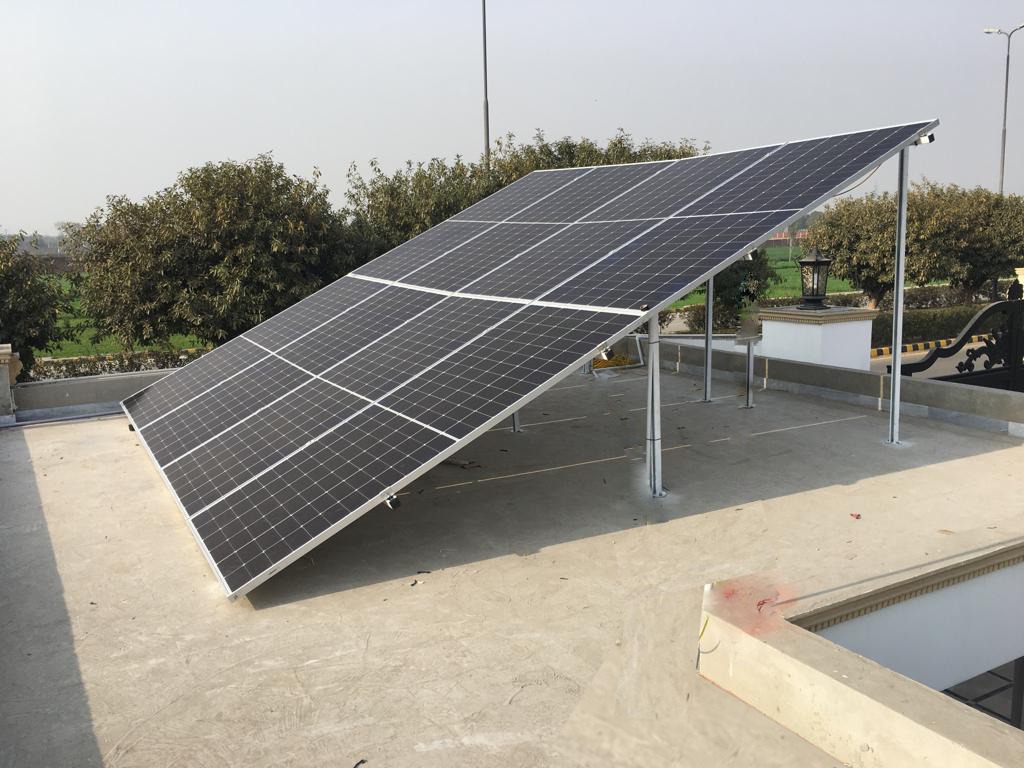
Read Guide →Panel tilt should be considered alongside the mounting arrangement and the property’s constraints. A tilt value taken from anoth...
Read Guide →Self-consumption refers to using solar energy at the property where it is generated. It is a useful concept when discussing how th...
Read Guide →An existing generator should be part of the initial solar discussion. Different power sources need a coordinated design, and custo...
Read Guide →The property’s electrical supply arrangement is relevant to solar planning. Customers should provide the available supply and eq...
Read Guide →Customers sometimes want a smaller initial installation with room to expand later. Expansion is easier to discuss when future goal...
Read Guide →Cable routing affects how the installation fits the building and how it can be maintained. Customers should discuss the proposed r...
Read Guide →A mounting structure must suit the roof, equipment and site. It deserves its own discussion in the proposal rather than appearing ...
Read Guide →A coastal property should be assessed for its actual environment and building condition. Exposure, maintenance access and manufact...
Read Guide →Properties near busy roads or dusty activity may need particular attention to access and upkeep. The first step is to describe the...
Read Guide →A solar carport combines an energy installation with a structure used around vehicles and people. Its design should address both p...
Read Guide →A property with several electricity meters needs a clearly defined project boundary. Before discussing capacity, establish which s...
Read Guide →A renovation can change electricity consumption, roof access and equipment locations. Include solar requirements while those chang...
Read Guide →A clear service request helps the provider understand the issue and arrange the right next step. It also gives the owner a record ...
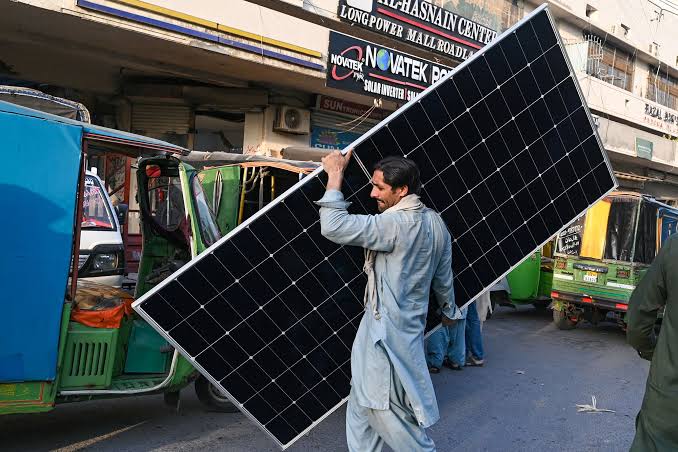
Read Guide →An online equipment price and a complete installed project describe different purchases. Customers should understand the work and ...
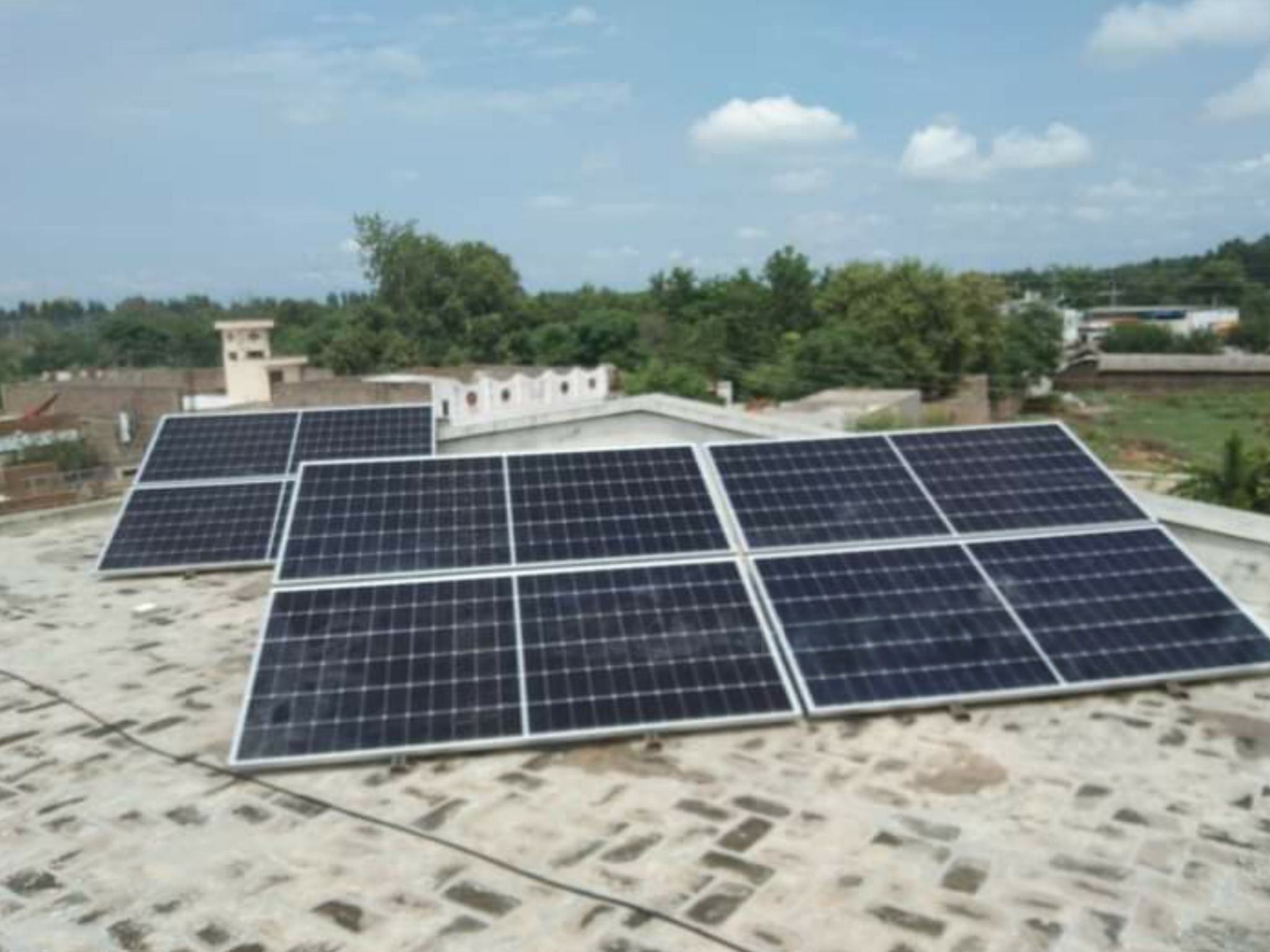
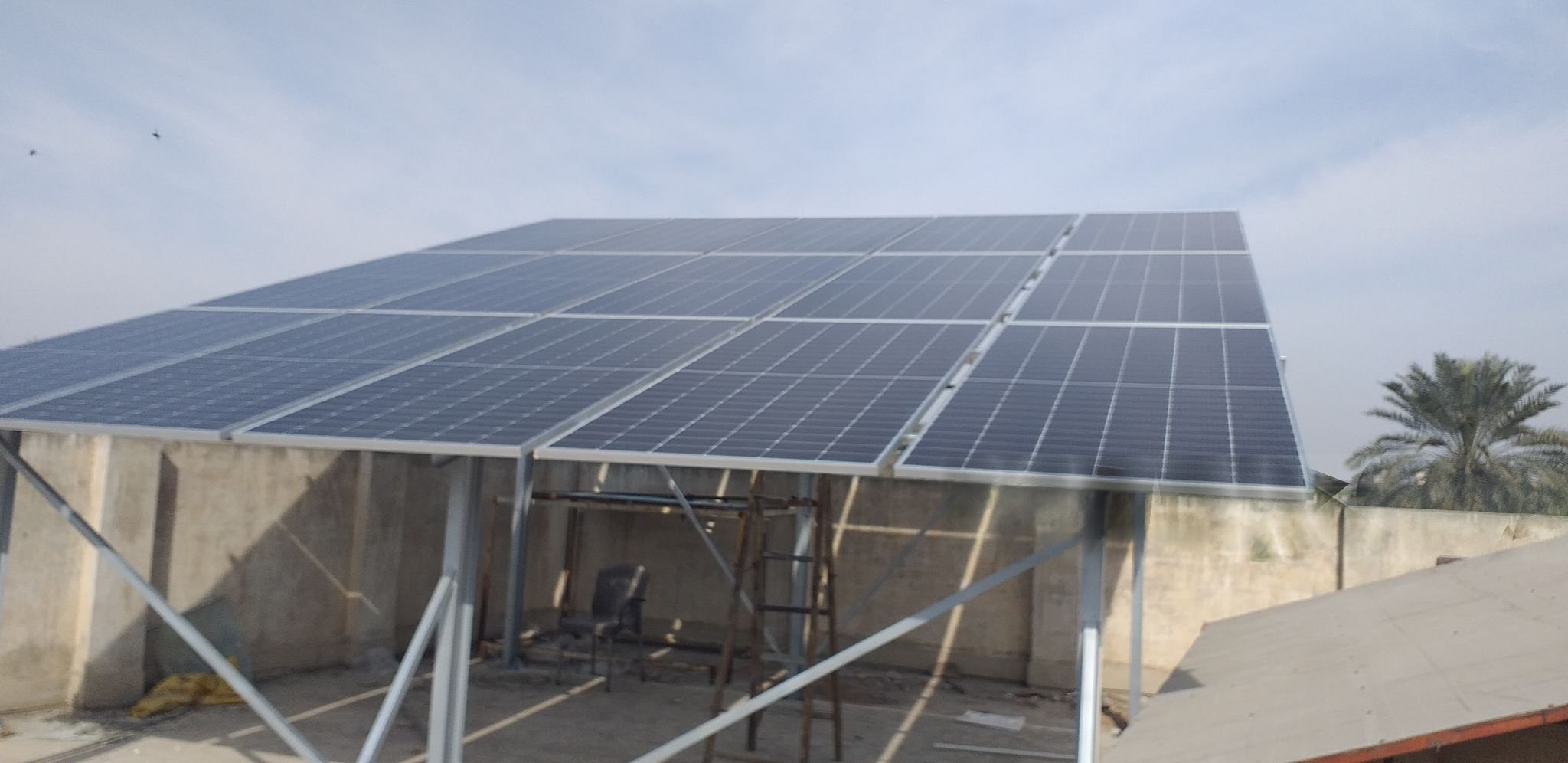
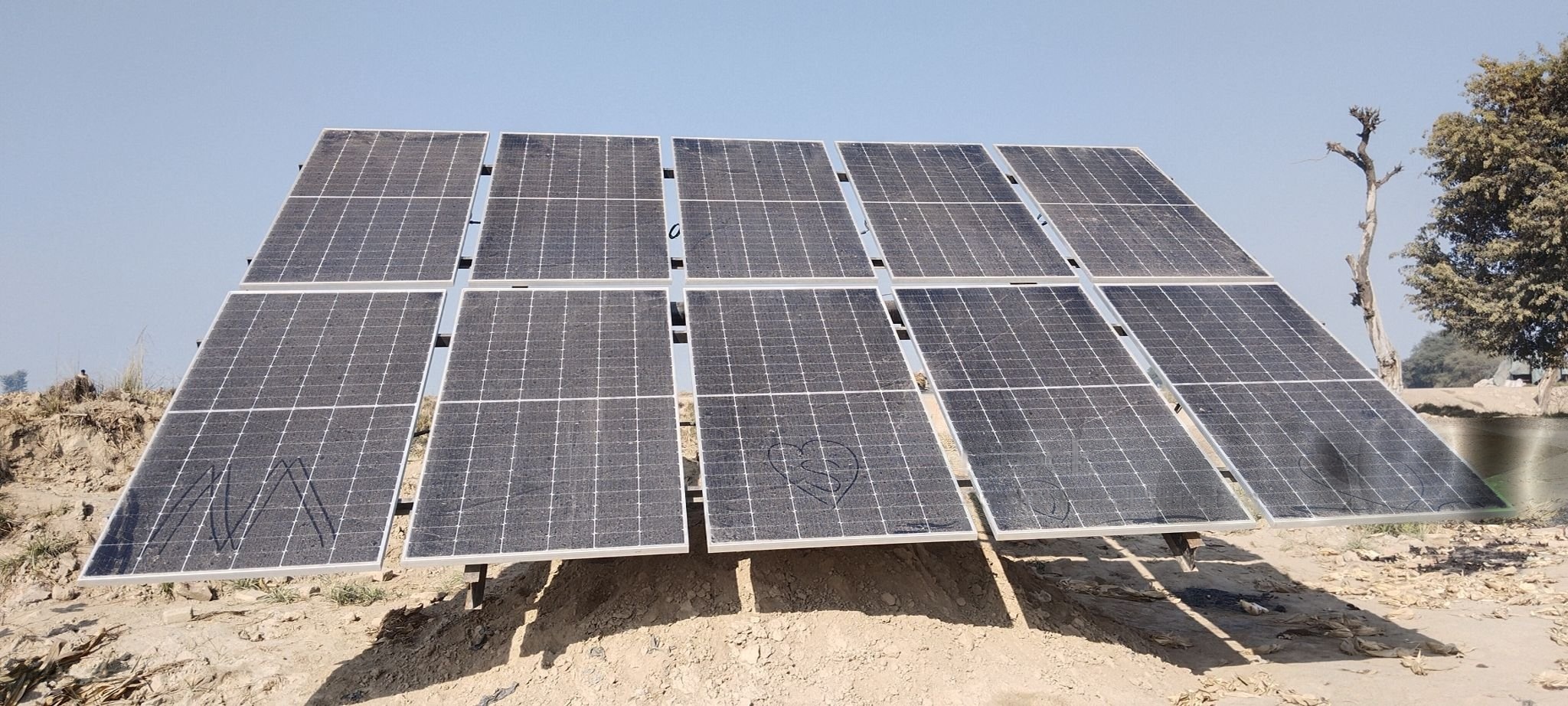
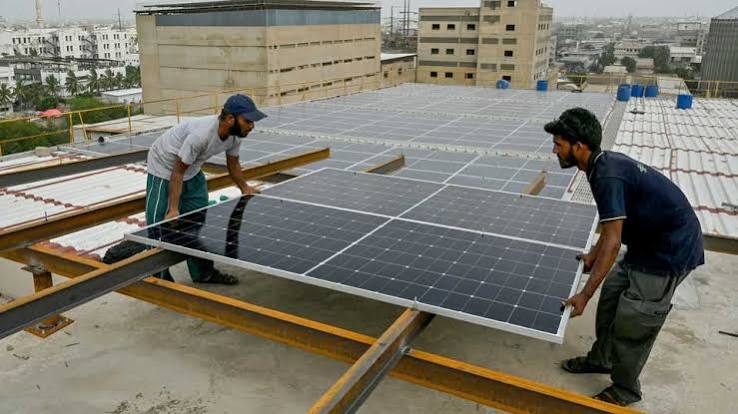
Read Guide →Project photographs can help customers understand an installer’s work, but they do not provide every detail needed to judge a sy...
Read Guide →Customers should be able to understand who they are dealing with before committing to an installation. Company information, clear ...
Read Guide →Business managers need monitoring information that helps them oversee the installation without turning routine operations into tec...
Read Guide →A new occupant should learn the existing solar arrangement before relying on it. The presence of panels does not explain ownership...
Read Guide →An inverter replacement should be assessed against the existing array, electrical arrangement and any battery equipment. Choosing ...
Read Guide →A solar project works best when each stage has a clear purpose. Sunlight Technology Solar Private Limited supports customers with ...
Read Guide →