
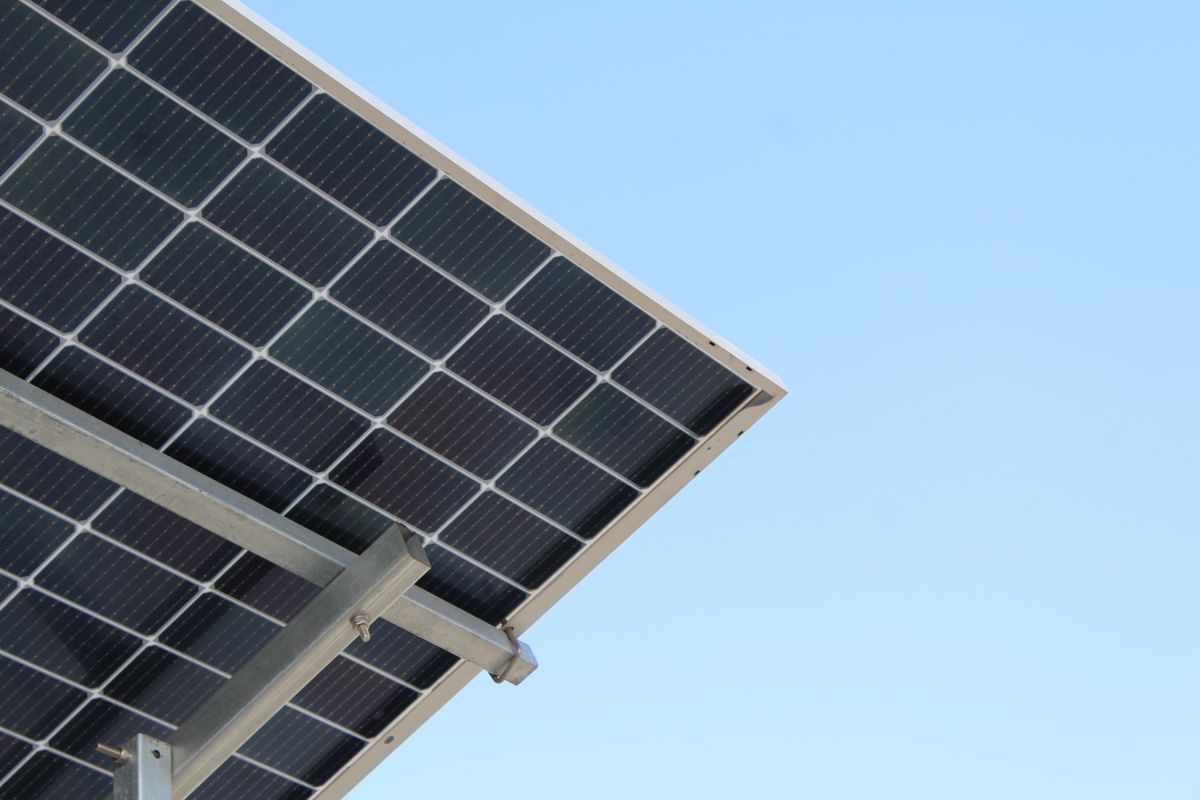
Bifacial panels can use light reaching both faces, but the benefit depends on the installation. The term should prompt a discussion about the actual site rather than an assumption that every rooftop will receive the same improvement.
Ask how the rear face will receive light
Mounting height, nearby obstructions and the surface below the array can influence rear-side exposure. Have the designer explain the proposed arrangement and why a bifacial model is suitable. A panel installed close to an obstructing surface may not have the same opportunities as one in a more open layout.
Check how estimates are presented
A proposal should distinguish basic rated capacity from any additional output assumption. Ask whether the generation estimate includes a rear-side contribution and what site evidence supports it. Compare the equipment, mounting and expected maintenance requirements as part of the total design.
Ask what reaches the rear face
A bifacial panel close to an opaque roof does not have the same rear-light conditions as one mounted above a reflective, open surface. Ask what rear contribution the generation estimate assumes and whether the mounting arrangement supports it. Compare that assumption with a conservative estimate rather than applying an advertised percentage to every site. The quotation should identify the module model and explain whether extra mounting work is required.
Your practical checklist
- Request the exact panel datasheet
- Ask what rear-side gain is assumed
- Compare the mounting arrangement and overall scope
Is a bifacial gain percentage transferable between properties?
No. Rear illumination depends on the surroundings and installation geometry, so the expected contribution is site-specific.
See real installation photographs and project highlights · Solar services in Pakistan