
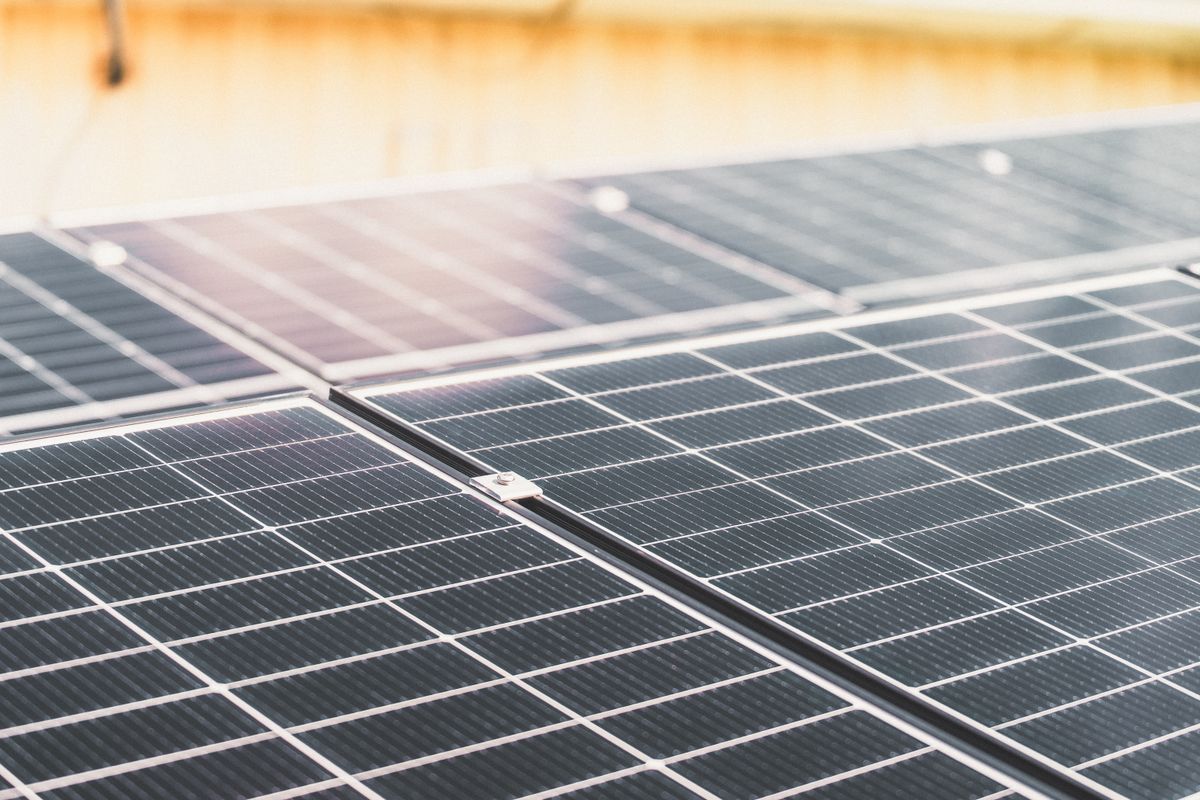
Panel tilt should be considered alongside the mounting arrangement and the property’s constraints. A tilt value taken from another installation does not establish the right solution for every roof.
Ask for a site-based recommendation
Discuss roof form, available area, shading and the required mounting structure. Changing the arrangement can affect spacing and access as well as the angle of the panels. The installer should explain the proposed choice as part of the complete layout.
Consider long-term use of the roof
Maintenance routes, drainage and future construction may influence the practical design. Ask what the owner will need to keep clear and whether the layout leaves access to existing rooftop equipment. Mounting design and installation should be handled by suitable professionals.
Evaluate tilt together with row spacing and structure
A steeper panel angle can change spacing, wind exposure and how one row shades another. Ask for the tilt to be shown in the actual mounting design, with access and roof constraints included. Compare the predicted benefit with the complete layout rather than selecting an angle from a general online chart. Roof suitability and mounting design remain professional assessment tasks.
Your practical checklist
- Review tilt as part of the whole layout
- Identify roof access and drainage needs
- Ask how future maintenance will be carried out
Can I change the angle myself to improve output?
Do not alter the structure or panel arrangement without the provider’s assessment. A change can affect mechanical and electrical suitability.
Further reading: PVWatts on interpreting generation estimates and uncertainty. Use site-specific inputs; an estimate is not a guarantee.
See real installation photographs and project highlights · Solar services in Pakistan