
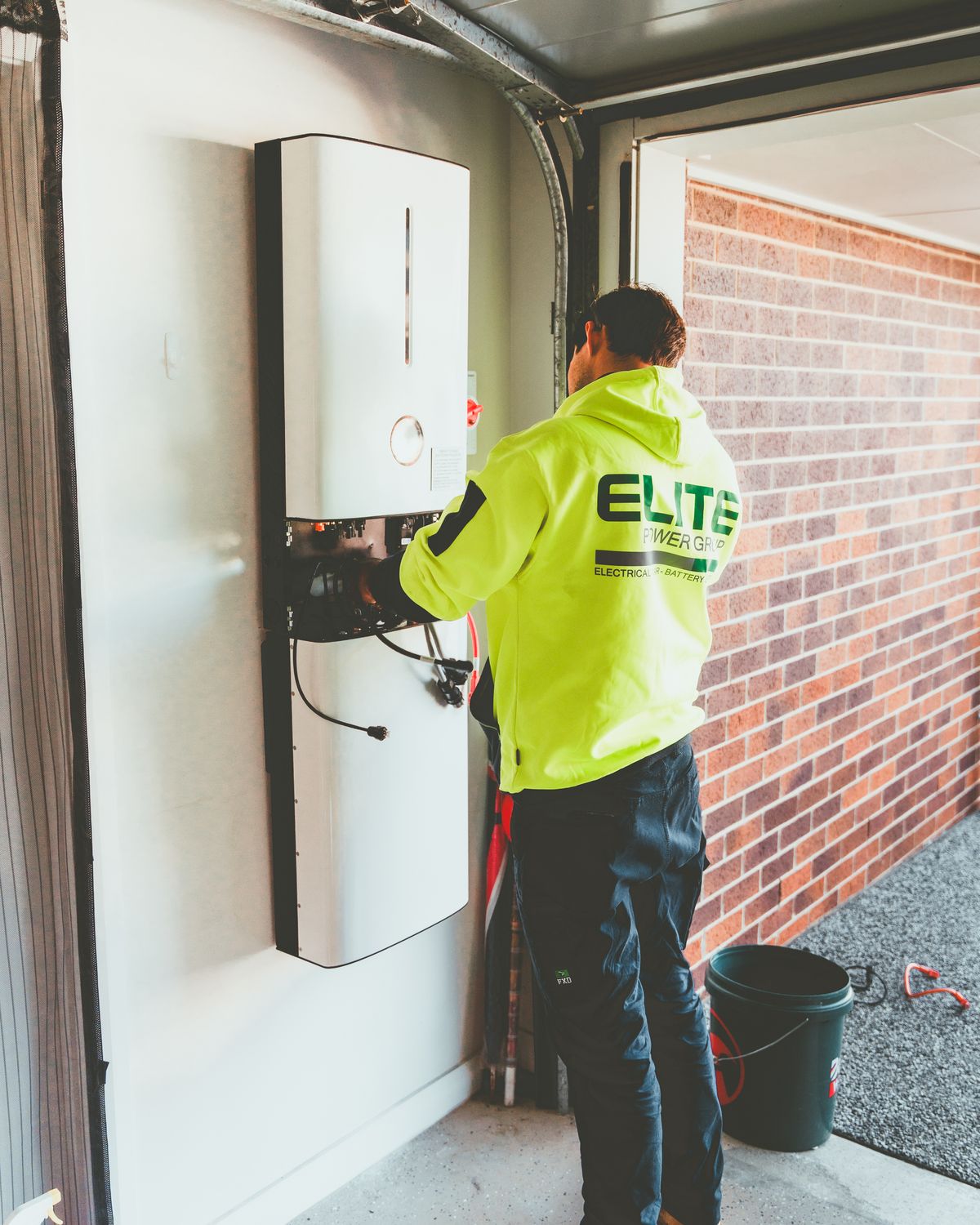
An inverter location should be planned before installation day. Convenience matters, but so do manufacturer requirements, access, cable routing and the conditions around the equipment. A location that looks tidy may still be unsuitable.
Review the environment
The installer should check the unit’s installation manual for clearances and environmental limits. Discuss exposure to direct weather, heat, dust and anything that may obstruct ventilation. Indoor and outdoor suitability depends on the model; do not infer it from appearance alone.
Preserve access after handover
Allow space for inspection, servicing and safe operation. Tell the installer about future cupboards, stored goods or building work that could affect the area. Ask where labels and operating information will be placed so that the people using the property can find them.
Check access after the building is furnished
An inverter wall can look convenient before cupboards, storage shelves or outdoor equipment are added. Ask for the manufacturer clearance requirements to be shown on the proposed location drawing. Include access for servicing and a route for later equipment replacement. Heat, direct exposure and ventilation conditions must suit the exact model. Avoid treating the enclosure rating as permission to place a unit in any available corner.
Your practical checklist
- Approve the location using the model’s manual
- Keep ventilation and service clearances free
- Coordinate cable routes and access before installation
Can the inverter be hidden inside a cupboard?
Only an arrangement meeting the model requirements should be considered. Restricted ventilation or access can make a location unsuitable.
See real installation photographs and project highlights · Solar services in Pakistan