
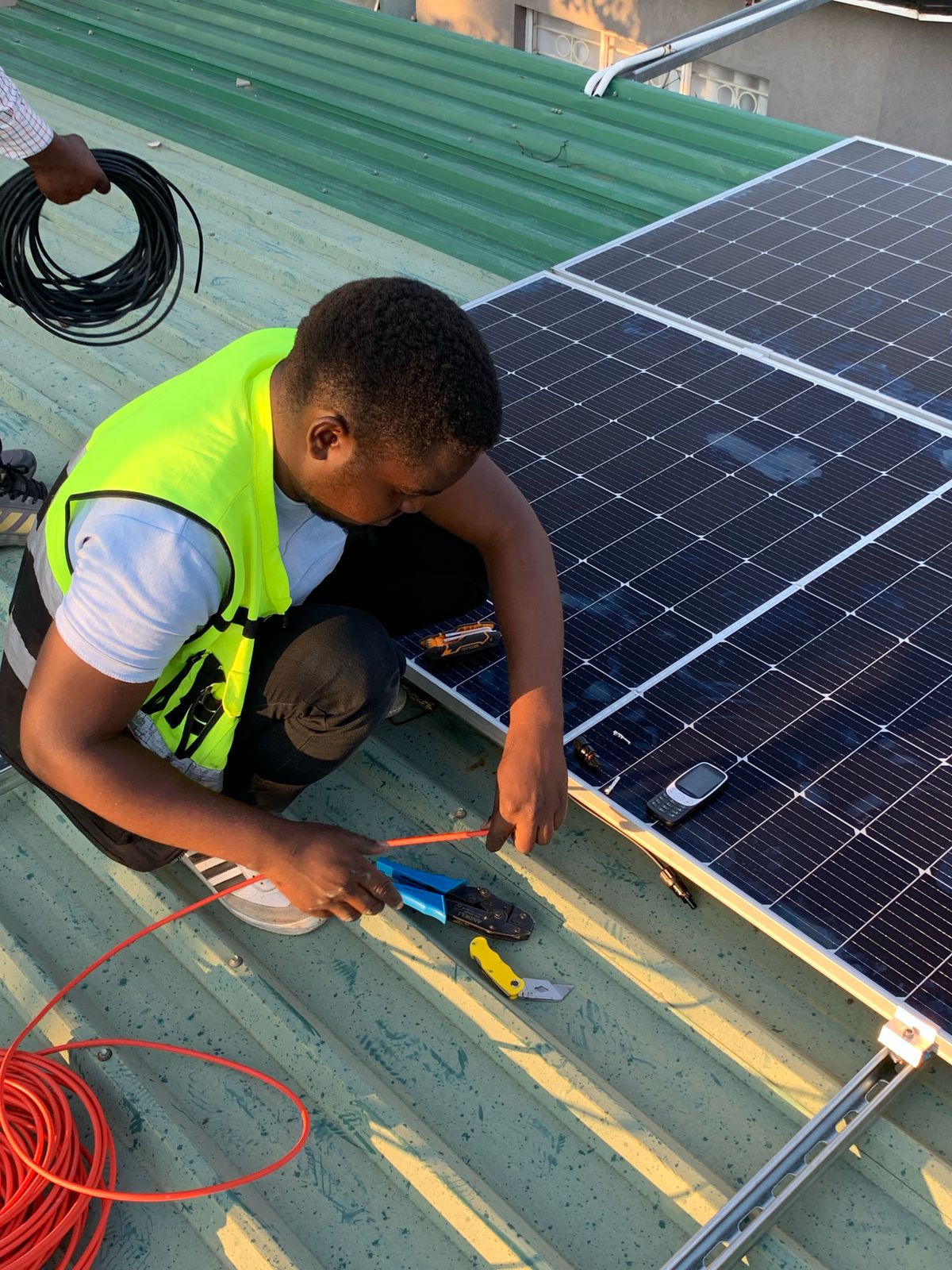
Cable routing affects how the installation fits the building and how it can be maintained. Customers should discuss the proposed routes before work begins while leaving technical cable selection and installation to qualified personnel.
Identify building constraints
Tell the installer about planned renovation, areas with restricted access and surfaces that should not be disturbed without approval. Ask how routes will pass between the roof, inverter and relevant electrical equipment. Confirm who is responsible for making good any agreed building work.
Keep the final arrangement documented
Request appropriate labels and final drawings or route information as part of handover. Future contractors should know where solar equipment and associated services are located. Any later alterations should be coordinated with the solar provider rather than made during unrelated building work.
Agree cable routes before finishes are closed
Mark proposed routes across roofs, service areas and occupied rooms on a drawing. Ask how the design addresses the environment, access and future building work. Confirm who reinstates any affected finishes and how routes will be recorded at handover. A route that is short on paper may be impractical if it obstructs access or conflicts with planned construction.
Your practical checklist
- Review proposed routes before installation
- Agree building-work responsibilities
- Retain final route and equipment records
Should the owner choose cable sizes from an online chart?
Cable design depends on the complete installation. Ask the qualified designer to document the appropriate specification.
See real installation photographs and project highlights · Solar services in Pakistan