
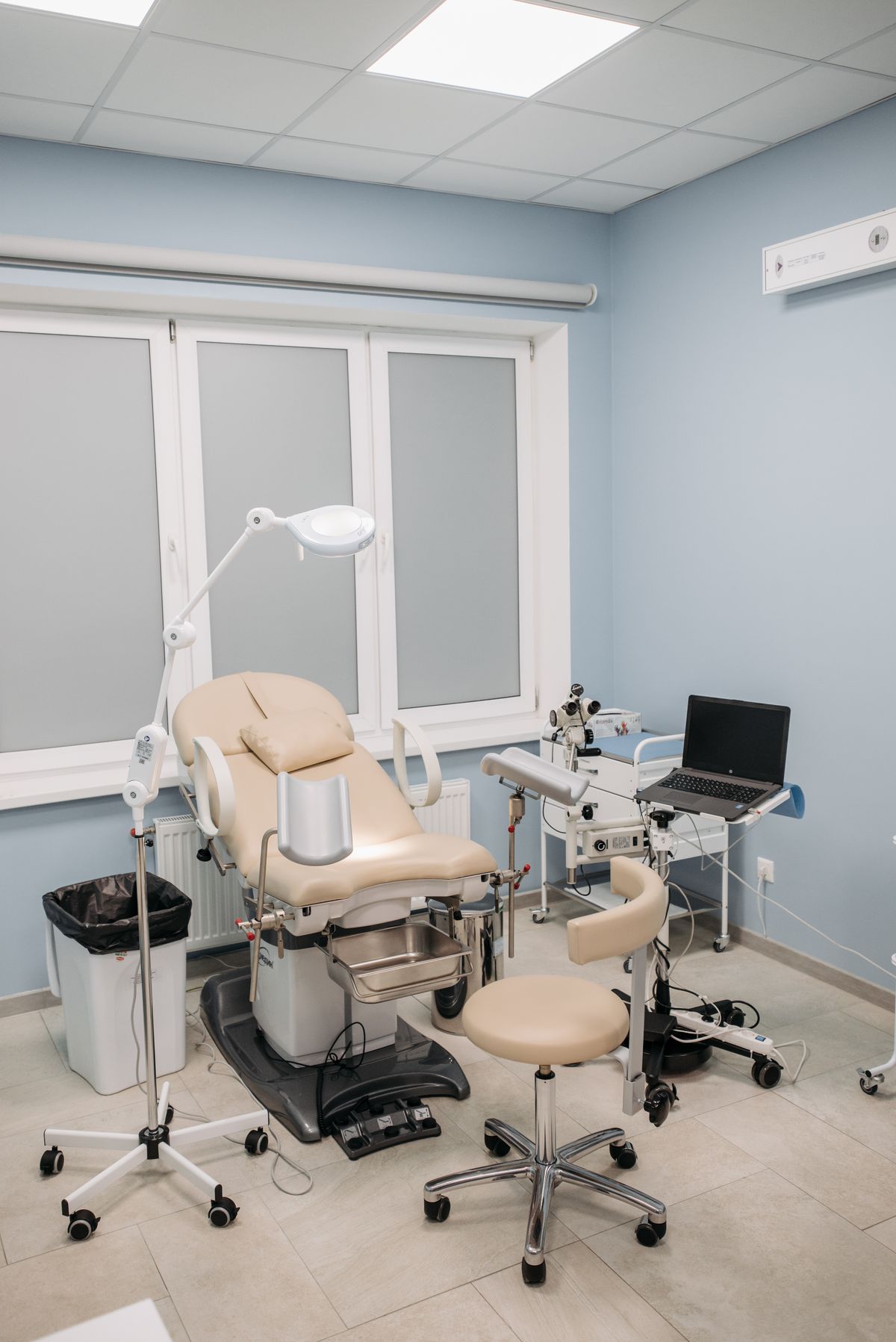
A clinic should distinguish ordinary building consumption from equipment that has specialised power requirements. Solar planning can support the premises, but it should not assume that a general backup system meets every clinical continuity requirement.
Identify equipment-specific requirements
List lighting, cooling, office devices and any specialist equipment separately. Obtain power and interruption requirements from the relevant equipment provider. Services that affect patient care need their own professional assessment and should not be included through a rough household-style load estimate.
Define the served circuits
Ask for a clear description of which circuits the proposed system supports and what happens during a supply interruption. Keep operating responsibility and escalation contacts documented. This helps the practice coordinate solar equipment with its broader building and continuity arrangements.
Separate building energy from clinical continuity needs
List reception, lighting and general cooling separately from clinical devices, cold-chain equipment and other specialist loads. The responsible clinical and equipment teams must define any continuity requirements. A generic solar backup package should not be represented as a medical power solution. Ask how the proposed building system interfaces with existing arrangements and what equipment remains outside the assessed scope.
Your practical checklist
- Separate general loads from specialist equipment
- Obtain manufacturer requirements for critical devices
- Request an explicit circuit and outage-operation description
Can ordinary solar backup be assumed suitable for medical equipment?
No. Equipment-specific power and continuity requirements need assessment by the appropriate professionals.
See real installation photographs and project highlights · Solar services in Pakistan