
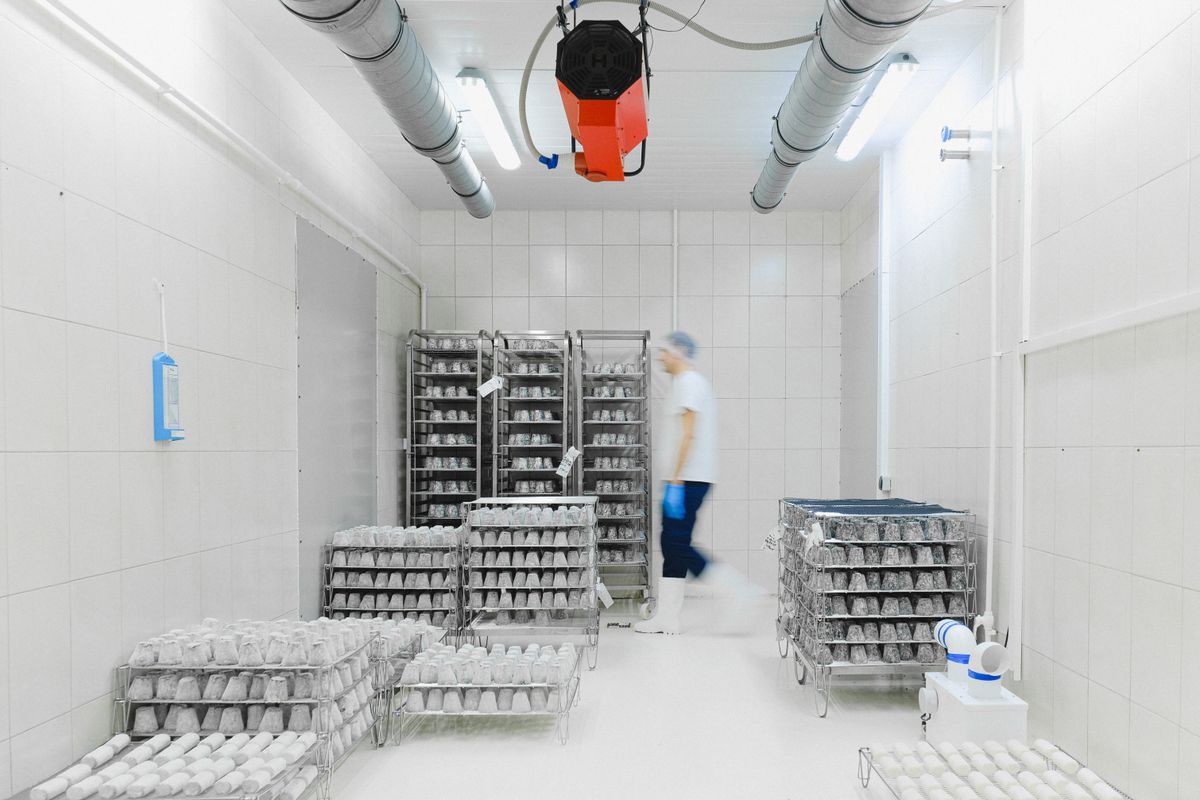
Cold-storage planning requires an understanding of refrigeration demand and the consequences of interruptions. Solar generation should be assessed within the facility’s full operating and continuity arrangements, with specialist input where required.
Understand the refrigeration profile
Provide compressor details, operating hours and available consumption records. Explain how demand changes with deliveries, product temperature and operating conditions. The designer needs a realistic picture of the site rather than a system size selected solely from roof area.
Review continuity requirements separately
If backup is requested, confirm the equipment’s starting and operating requirements with the relevant suppliers. Define what must remain available and for how long. Solar output varies, so it should not be treated as a guaranteed standalone source for temperature-critical operations without a properly assessed complete design.
Define temperature control responsibilities first
A cold-storage project needs refrigeration duty cycles, defrost periods and start-up demand to be understood. Document who is responsible for temperature monitoring and the existing contingency plan. Solar generation should not be described as a guarantee against stock loss. Ask the refrigeration and electrical teams to assess how the proposed system works with controls, backup and alarm arrangements under the intended operating conditions.
Your practical checklist
- Collect refrigeration equipment data
- Describe delivery and operating patterns
- Include the facility’s continuity requirements in the brief
Does battery capacity alone protect stored products during an outage?
No. The complete refrigeration and power arrangements, operating duration and contingency procedures matter.
See real installation photographs and project highlights · Solar services in Pakistan