
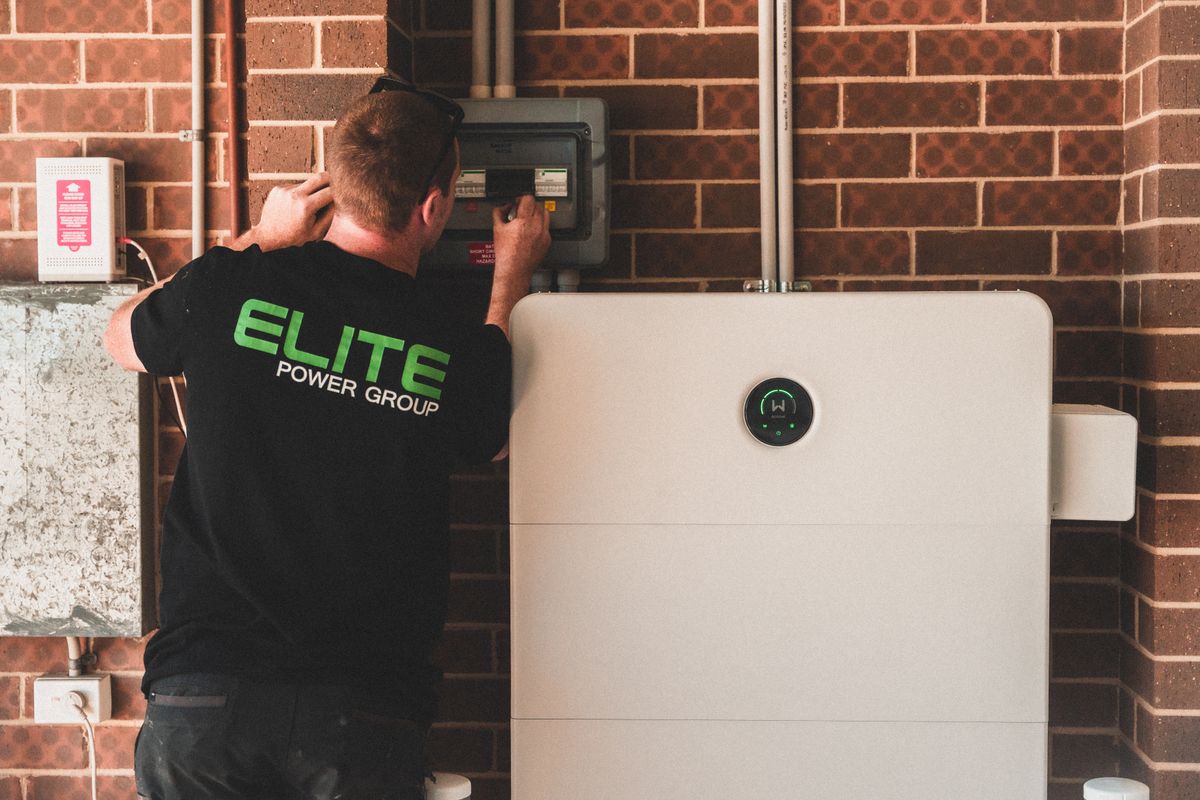
Backup planning begins with deciding what needs to remain available during an outage. A focused essential-load list gives the designer a clearer target than a request to run the entire property without interruption.
Separate essential from convenient
List lighting, communication equipment and other priority appliances. Record the model, power requirement where known and expected operating time. Devices with motors may have additional starting requirements, so the installer should check the equipment rather than relying only on a rough household total.
Discuss duration and boundaries
State the backup duration you want to assess and which devices can be turned off. Ask how the essential circuits will be arranged and labelled. Battery energy, inverter output and the availability of charging all affect the proposed solution; a battery capacity figure alone does not describe the complete backup performance.
Build a backup list with energy and simultaneous demand
Illustrative example: four 10 W lamps, two 60 W fans and a 20 W router total 180 W while all are operating. Four hours at that steady load would use 0.72 kWh before conversion losses and reserve allowances. This is a load example, not a battery recommendation. Add appliance starting behaviour and any other essential equipment before asking the designer to select inverter power and usable storage.
Your practical checklist
- List devices that must operate together
- Identify appliances that can remain off
- Request a clearly labelled essential-circuit plan
Can a small battery run every household appliance?
Capacity alone does not answer that. The battery output limit, inverter capability, connected circuits and operating duration all matter.
Further reading: U.S. Department of Energy on storage energy and power capacity.
See real installation photographs and project highlights · Solar services in Pakistan