
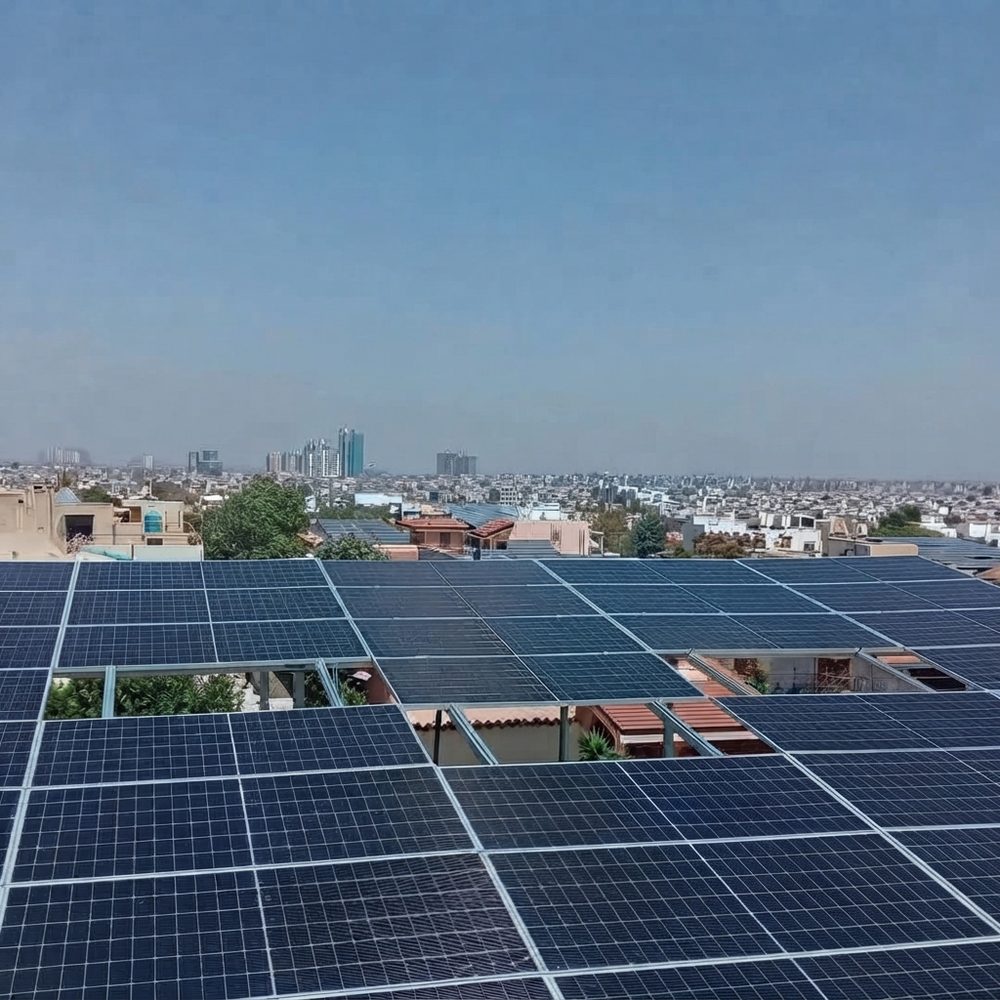
A coastal property should be assessed for its actual environment and building condition. Exposure, maintenance access and manufacturer guidance matter when selecting and installing solar equipment near the sea.
Describe the site conditions
Tell the installer about weather exposure, visible corrosion on existing equipment and the roof’s maintenance history. Ask whether the proposed panels, mounting components and electrical equipment are suitable for the location. Product suitability should be checked from the relevant documentation rather than assumed from a brand name.
Plan inspection and upkeep
Discuss the service requirements for the chosen equipment and who will carry them out. Keep observations and service records so changes can be reported clearly. Mounting and electrical concerns should be reviewed by professionals; owners should not attempt repairs based on visible surface conditions alone.
Describe exposure and maintenance access
Tell the installer about salt-laden air, visible corrosion on nearby metalwork and the equipment areas exposed to weather. Ask which manufacturer environment requirements apply and how the selected materials and maintenance approach address the site. Do not assume that one coastal location represents every roof near the sea. Photographs and an inspection provide a stronger basis than a broad location label.
Your practical checklist
- Share site exposure and maintenance history
- Ask for model-specific suitability checks
- Agree an accessible maintenance arrangement
Does a coastal address automatically rule out rooftop solar?
No. It means the environment, materials and maintenance arrangements need site-specific assessment.
See real installation photographs and project highlights · Solar services in Pakistan