
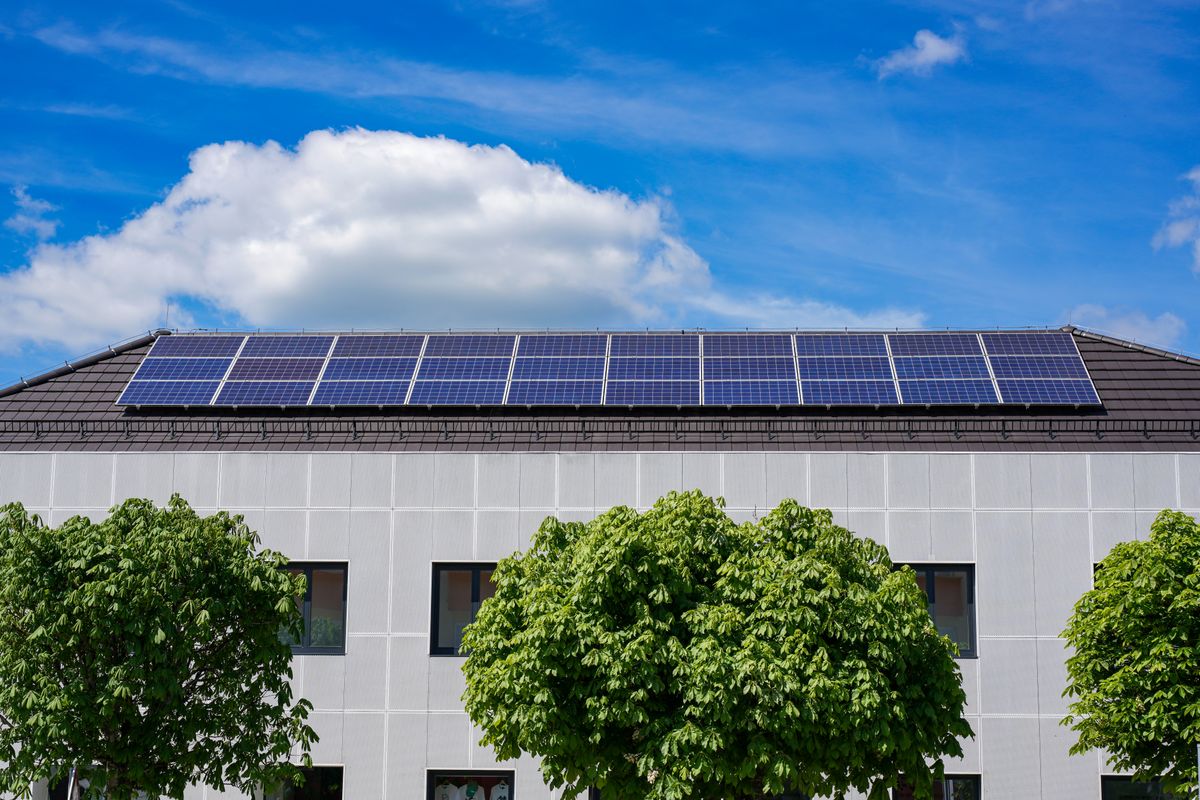
No. It records one moment. The assessment needs the obstruction geometry and the relevant daily and seasonal conditions.
A roof can look sunny during one visit and still experience shade at other times. Nearby buildings, trees, parapet walls and rooftop structures should be considered before a layout is approved. A shading assessment is part of understanding usable roof space.
Look beyond the midday view
Ask the designer to consider changing shadows across the day and through the year. A water tank or stair enclosure may affect only part of the array at a particular time. Future construction should also be discussed where it is known, especially on tightly packed urban sites.
Discuss the design response
Panel placement and electrical arrangement should reflect the actual shading conditions and the chosen equipment. There is no single accessory that makes every shaded roof suitable. Request an explanation of the expected effect and the options considered, including leaving some space unused if that produces a more practical layout.
Describe when and where shade occurs
A water tank may shade one roof edge in the morning while a neighbouring building affects another area in the afternoon. Show both obstructions on a roof sketch and ask how seasonal sun positions were considered. The design discussion should explain the affected panel groups and any proposed mitigation. Do not assume that optimisers or a different inverter can make shade irrelevant; compare the expected benefit with the actual layout.
Your practical checklist
- Identify existing shade sources
- Mention planned rooftop additions
- Ask how shade assumptions appear in the generation estimate
Can a single midday photograph establish shading loss?
No. It records one moment. The assessment needs the obstruction geometry and the relevant daily and seasonal conditions.
See real installation photographs and project highlights · Solar services in Pakistan