
Updated 19 October 2026 · Sunlight Technology Solar Private Limited
Industrial rooftop solar should be assessed against production demand, the building and the electrical system. A large roof creates an opportunity, but it does not establish suitable capacity or guarantee a saving for a factory or warehouse.
Use production information alongside bills
Provide shift patterns, machine schedules, shutdowns and planned expansion. A facility consuming electricity through the night has a different profile from one operating only during daylight. Ask how much generation is expected to be used on site and what assumptions apply when production is reduced.
Resolve roof and electrical constraints
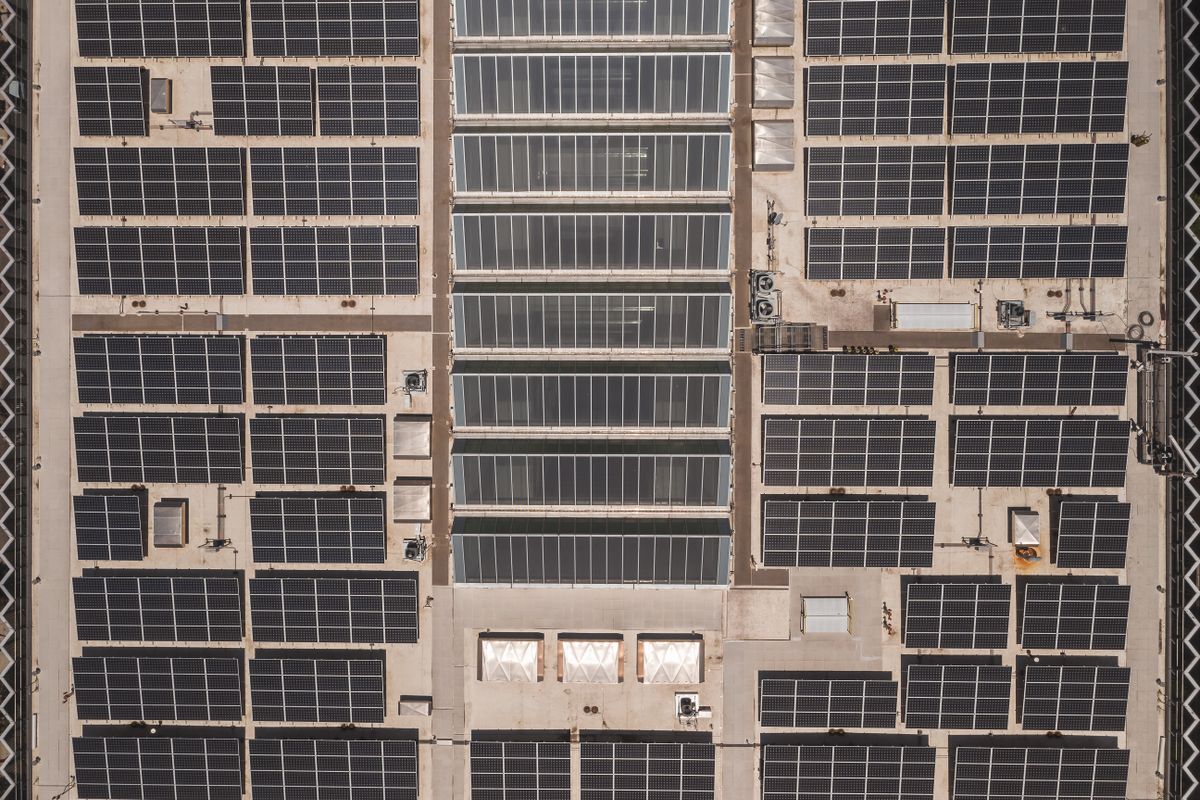
The project team should assess roof condition, structural suitability, access and the proposed electrical connection. Identify areas needed for maintenance or building services. Do not assume that industrial scale automatically requires one particular mounting method or that every roof needs the same reinforcement.
Plan installation around operations
Discuss delivery, working hours, interruptions and contractor coordination before agreeing a schedule. Request the equipment schedule, relevant assessment records, monitoring scope and handover documents. Where storage or other supply sources are involved, ask for their operating relationship to be explained separately.
Before your next discussion
- Prepare a production and load profile
- Confirm roof assessment and installation boundaries
- Assign a monitoring and service coordinator
Can the largest possible array be selected from roof area alone?
No. Suitable space, demand, electrical integration and the intended operation all constrain the design.
Continue with a specialist guide
- Solar for Warehouses: Planning Around Roof and Operations
- Solar Planning for Small Manufacturing Businesses
- Planning Solar for Multi-Shift Businesses
View real installation photographs and project highlights · Solar services in Pakistan