
Updated 19 October 2026 · Sunlight Technology Solar Private Limited
A mounting system must suit the roof, environmental conditions and proposed panel layout. Rail-based, anchored and ballasted arrangements are design options, not universal recommendations for every roof of a similar appearance.
Assess the building before choosing the method
Ask who evaluates roof condition and structural suitability and how the selected design addresses loads and connections. Include waterproofing responsibilities and future roof repair access in the proposal. A visually flat roof is not enough evidence to select ballast or an elevated frame.
Compare layout and maintenance implications
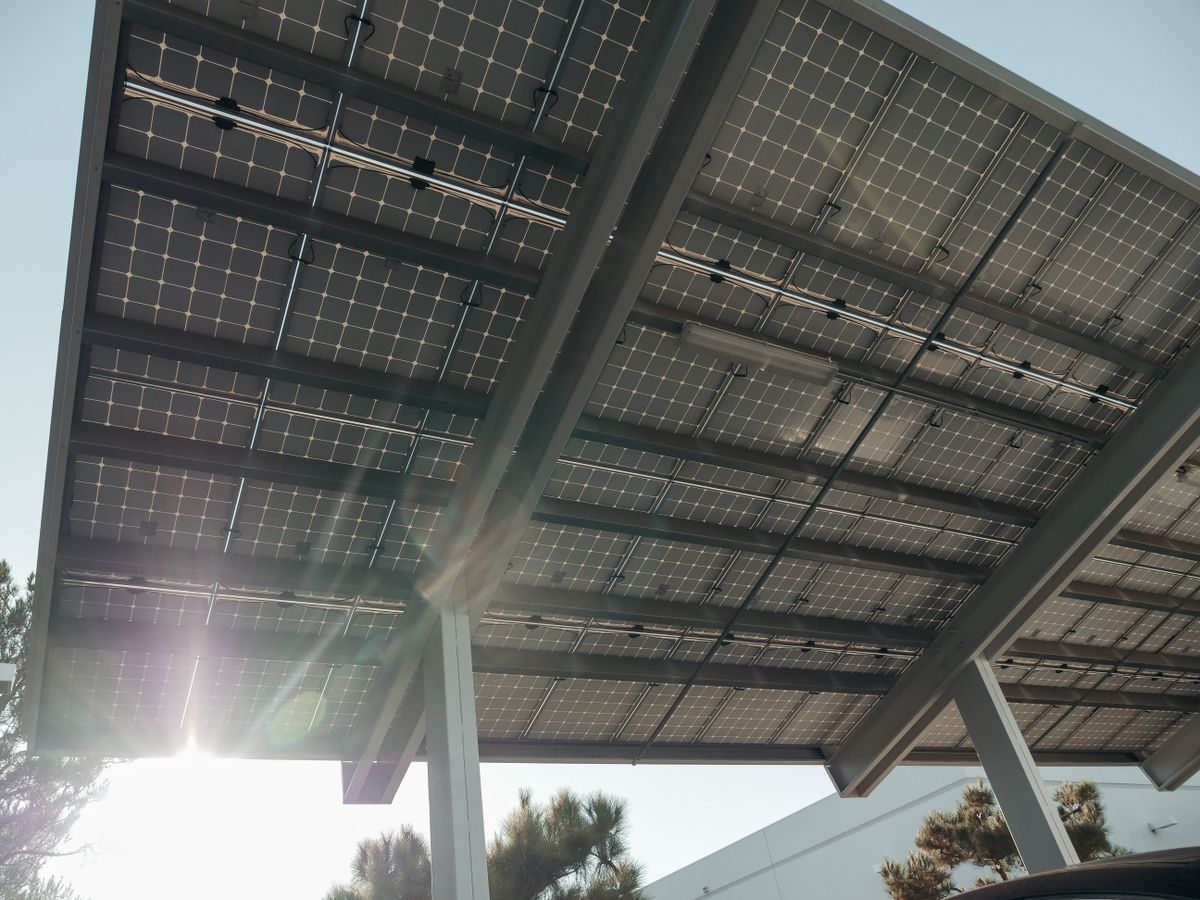
Panel angle, row spacing, obstructions and access all interact with the mounting arrangement. Request a dimensioned drawing using the actual module sizes. Leave necessary service routes and consider how modules or roof areas could be accessed later. Photographs can explain a concept but cannot replace the site assessment.
Coordinate cables and building use
Cable routes, equipment positions and the surrounding environment should be considered alongside the structure. Ask for relevant specifications and installation responsibilities to be recorded. The customer should understand the proposed arrangement without being expected to specify structural members or electrical protection personally.
Before your next discussion
- Confirm roof assessment responsibilities
- Review layout, access and waterproofing
- Keep mounting and route records at handover
Is ballast always the best method for a flat roof?
No. Weight, wind conditions, roof protection and structural suitability affect the appropriate choice.
Continue with a specialist guide
- Roof Condition Checks Before Installing Solar Panels
- Solar Panel Tilt: Questions for Your Installer
- Solar Mounting Structures: Questions Beyond Panel Quantity
View real installation photographs and project highlights · Solar services in Pakistan