
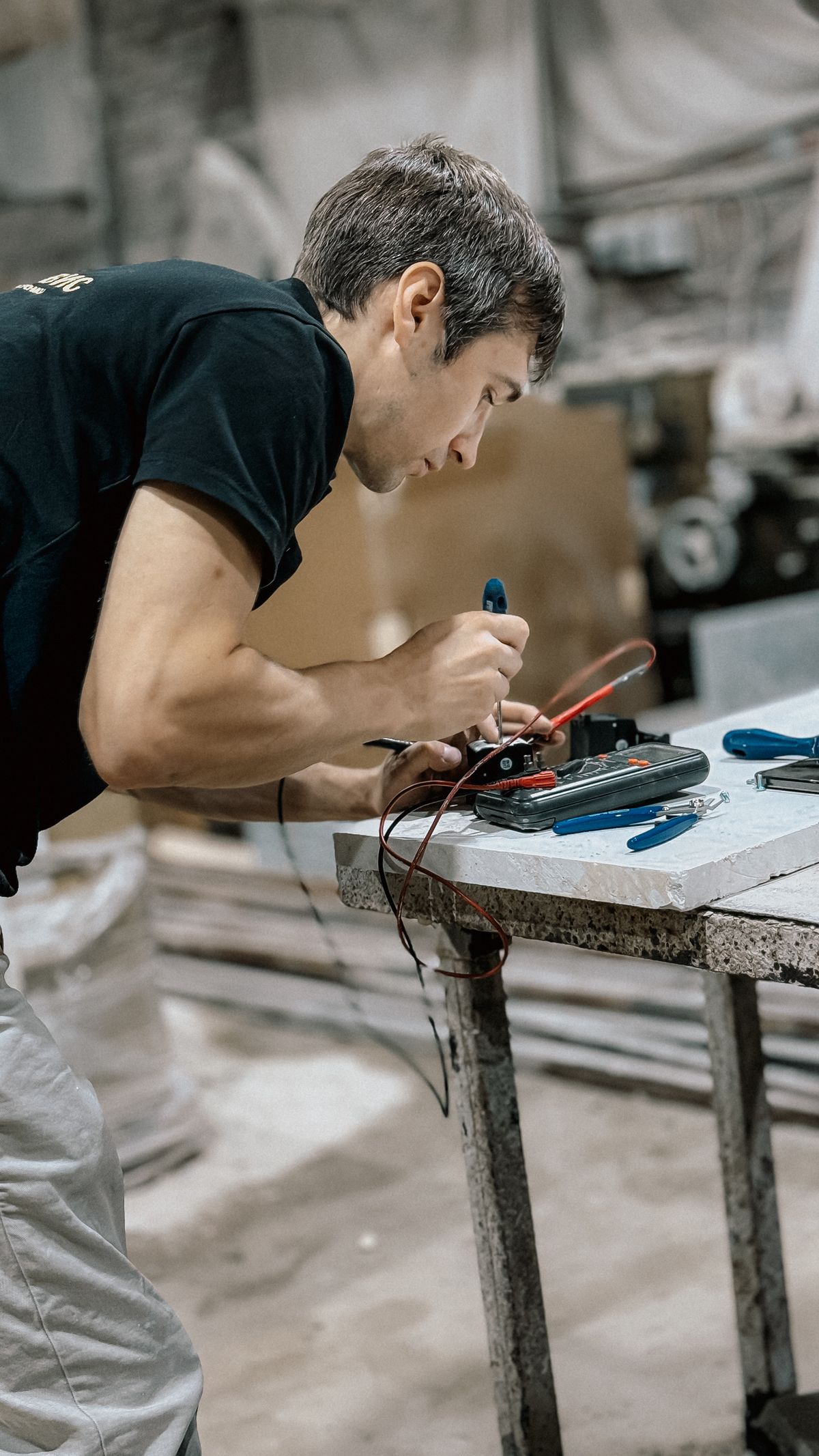
Workshop equipment can place different demands on a system from lighting or computers. A planning discussion should identify the machines used, how they start and which ones may operate together.
Use actual machine information
Provide model details, nameplate photographs and operating schedules for the major machines. Explain whether demand is steady or changes throughout the day. A rough monthly energy total cannot describe all the conditions an inverter or backup arrangement may encounter.
Be clear about the objective
A workshop may want daytime energy generation without backing up every machine. Alternatively, it may need selected functions during outages. State the goal and ask the designer to identify which equipment is included. Electrical alterations and machine compatibility should be assessed by the appropriate professionals.
Identify which machines start together
List each major machine, its model, supply arrangement and typical operating sequence. A workshop can have low average energy use while experiencing short periods of high demand when motors start. Give the designer actual process information rather than a single monthly bill. Ask how backup, if required, will behave when selected tools are started and whether any equipment is outside the agreed supported load.
Your practical checklist
- List machines and simultaneous-use patterns
- Separate generation goals from backup goals
- Confirm which circuits and equipment are included
Can average daily kWh establish motor backup capability?
No. Starting and simultaneous demand need separate assessment by the design team.
See real installation photographs and project highlights · Solar services in Pakistan