
Panels, inverters and batteries have to work as one system. This solar equipment checklist covers what to verify for each component before committing to a quotation.
Solar Panels
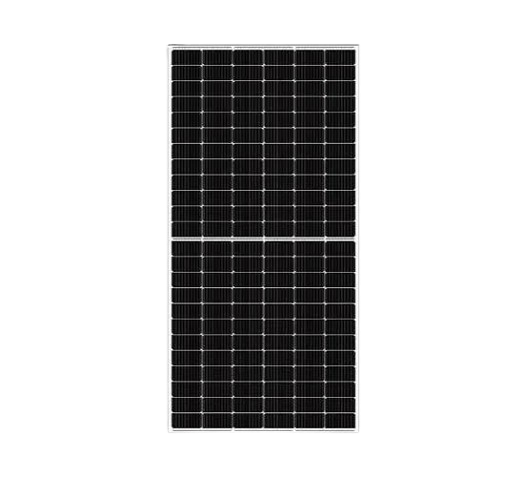
Check rated output (Wp), physical dimensions against your roof space, temperature performance for Karachi summers, and product/performance warranty terms. Compare JA Solar, Jinko and Longi panel spec sheets directly.
Inverters: On-Grid, Hybrid, Off-Grid
On-grid inverters export surplus with no battery support; hybrid inverters (Growatt, Solis, Inverex Aitrex) manage solar, battery and grid together for backup; off-grid inverters run entirely on stored battery power.
Batteries: Nominal vs Usable Capacity
A battery's nominal capacity (e.g. 5 kWh) is not the same as its usable capacity within a safe discharge range. When comparing Pylontech, Sunwoda or Itel batteries, always ask for usable capacity, inverter compatibility, cycle life and warranty.
Mounting, Cabling and Support
Confirm mounting structure rating, cable specification, surge protection and earthing are explicitly included — these are often quietly excluded in low quotes. Ask how monitoring and warranty claims are handled after installation.
Frequently Asked Questions
What's the difference between nominal and usable battery capacity?
Usable capacity is the portion you can actually draw within the manufacturer's recommended discharge range — that's the number that matters for backup sizing.
Can I mix different panel brands in one system?
It's possible but not recommended — mismatched electrical characteristics can reduce overall efficiency.