
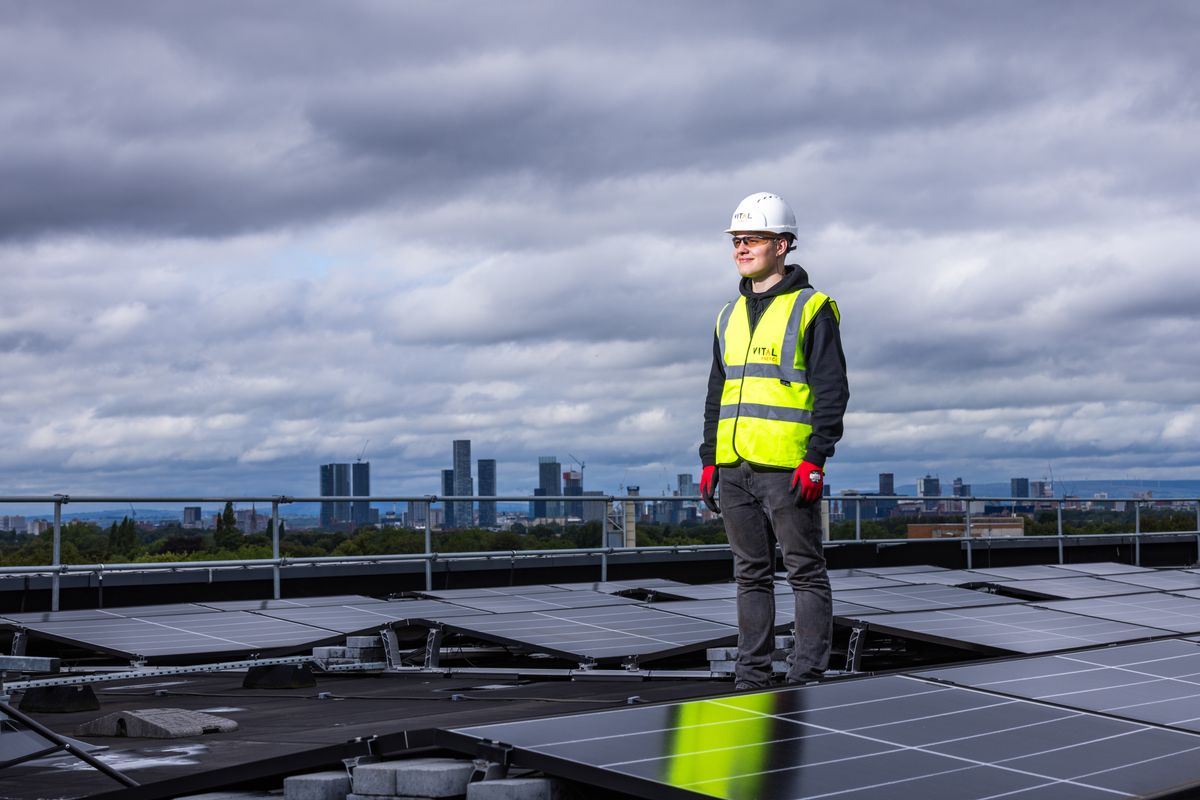
A site survey should turn a general interest in solar into information that supports a workable proposal. Preparing access and a few documents helps the installer spend time evaluating the property rather than guessing its layout or consumption.
Make the property understandable
Provide recent electricity bills, a description of operating hours and information about any existing solar, generator or battery equipment. Tell the survey team about leaks, roof repairs, planned extensions and areas that are difficult to access. These details can affect placement and project scope.
Ask what the survey will deliver
A useful survey discussion covers usable installation space, shading, equipment locations and the next steps needed before work begins. Structural or electrical questions may require separate assessment. Ask which measurements have been confirmed and what remains subject to review before accepting a proposal.
Prepare a survey pack rather than a guessed capacity
For a first assessment, gather roof photographs taken from safe existing access, recent bills, a list of large loads and any drawings already available. Mark tanks, drains and access doors on a simple sketch without guessing structural strength. Note whether the surveyor can inspect the electrical distribution area. A useful survey outcome is a list of confirmed facts, further checks and design assumptions, rather than an immediate equipment shopping list.
Your practical checklist
- Arrange safe access for the survey team
- Prepare bills and existing equipment model numbers
- Request a written record of assumptions and outstanding checks
Do roof photographs replace a site survey?
They help prepare the visit. They cannot establish roof condition, electrical suitability or dimensions on their own.
See real installation photographs and project highlights · Solar services in Pakistan