
No. Evening service and continuous refrigeration may account for a substantial part of consumption.
A restaurant’s electrical needs depend on preparation hours, service periods, refrigeration, cooling and the type of cooking equipment used. These details matter more than a simple label such as small or large restaurant.
Record the working day
List equipment used before opening, during service and after closing. Distinguish continuous refrigeration from appliances used in short bursts. If evening trade is significant, ask the installer to explain how the proposed solar arrangement relates to that demand.
Set realistic backup priorities
Identify equipment that needs separate continuity planning and confirm its requirements with the supplier. Roof heat, access restrictions and nearby exhaust equipment may also affect installation planning. The proposal should explain the location and scope without assuming every kitchen appliance can be supported during an outage.
Map preparation, service and closing periods
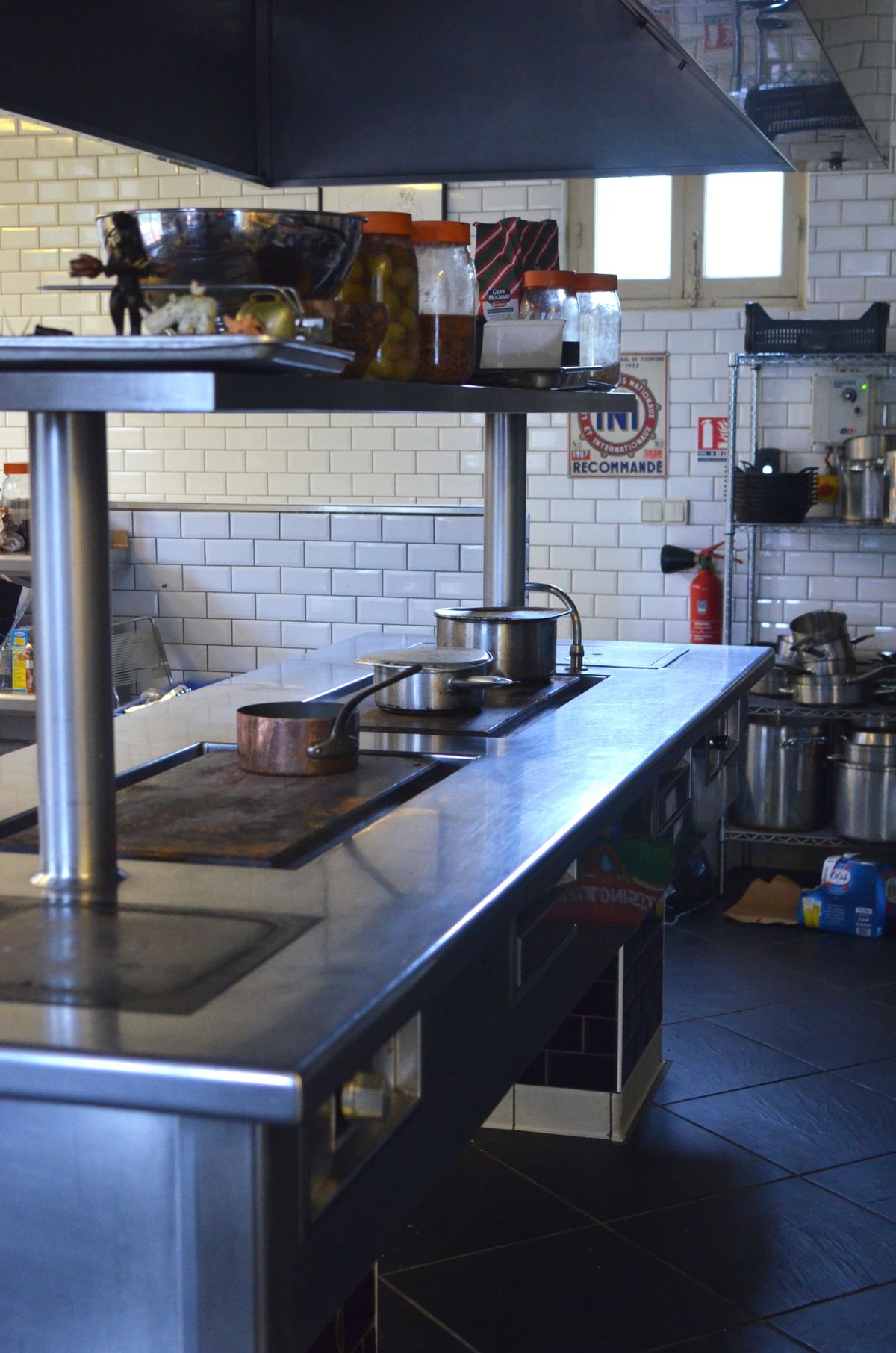
Restaurant demand may peak after solar generation declines. Refrigeration can continue overnight even when cooking equipment is switched off. Record the electrical loads by service period and distinguish them from gas-fired equipment. Ask for an energy profile covering quiet days and busy weekends. Any backup plan should identify which functions must continue rather than promising that the kitchen can operate normally throughout an outage.
Your practical checklist
- Map preparation and service schedules
- List refrigeration and motor equipment
- Identify equipment placement constraints near the kitchen
Will strong lunchtime use describe the restaurant’s whole requirement?
No. Evening service and continuous refrigeration may account for a substantial part of consumption.
See real installation photographs and project highlights · Solar services in Pakistan